Source Nordic Glazed Ceramic Utensil Holder for Kitchen, Restaurant, Hotel
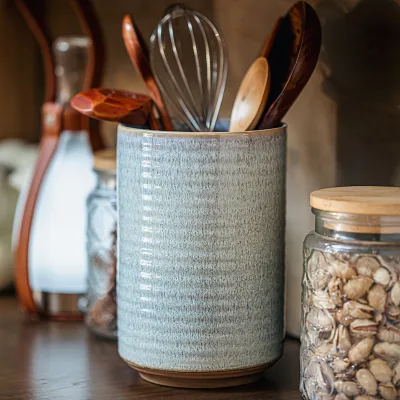
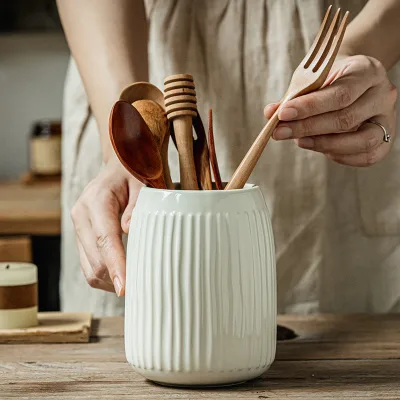
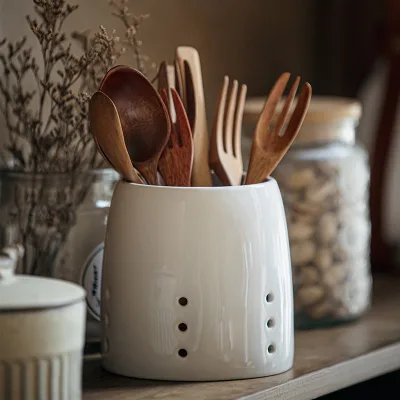
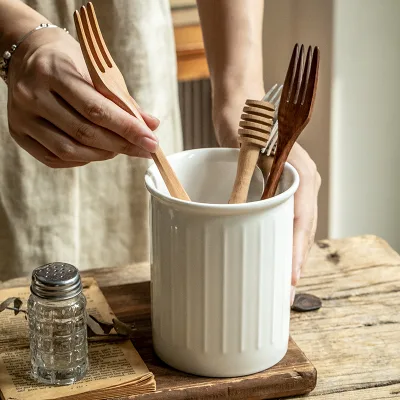
Find 30 verified options for the nordic glazed ceramic utensil holder, featuring eco-friendly terracotta and ceramic materials. Compare standing-type storage solutions with customizable sizes and colors for home, restaurant, and hotel use; compare the available evidence and request quotations based on your requirements.
Key considerations
Products List
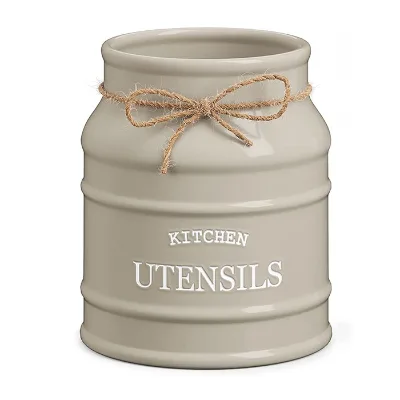
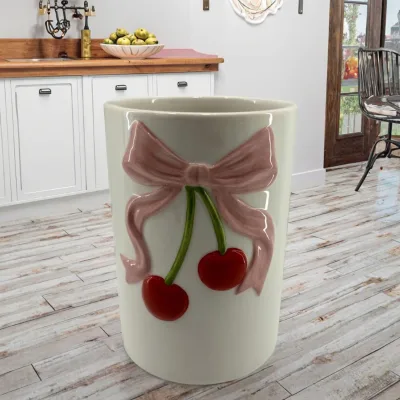
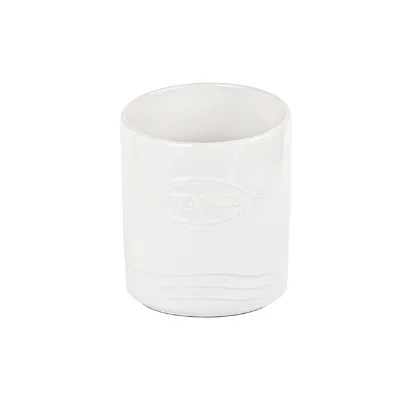
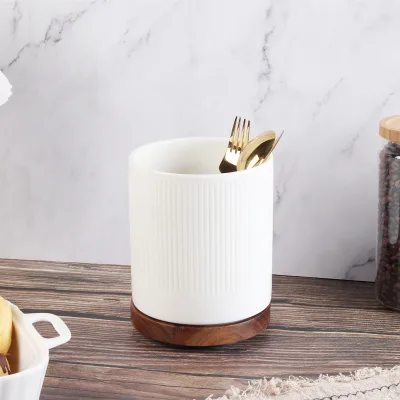
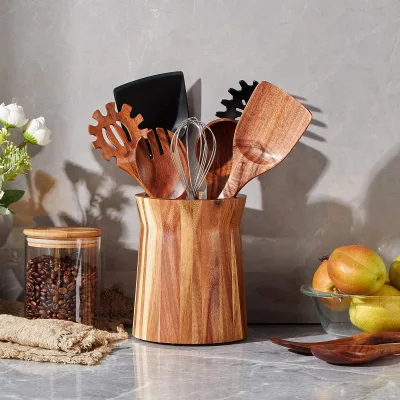
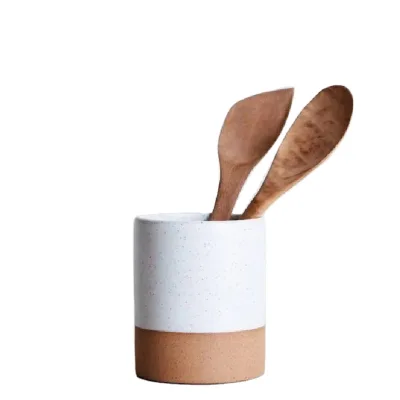
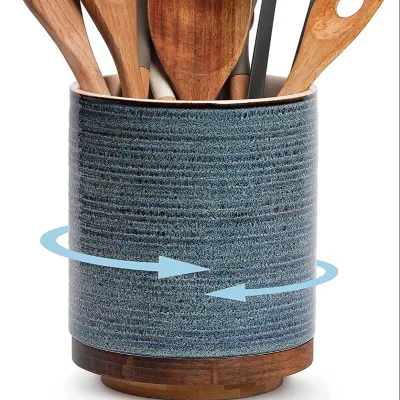
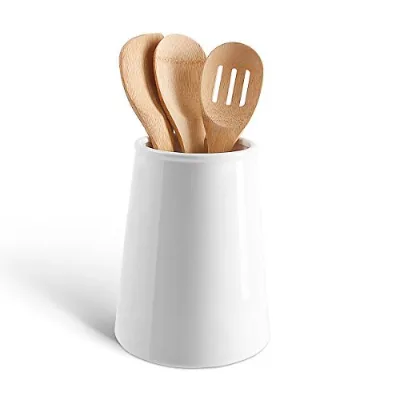
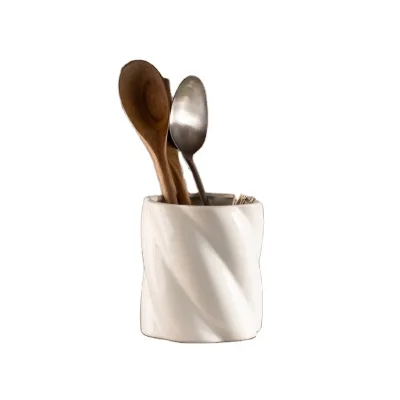
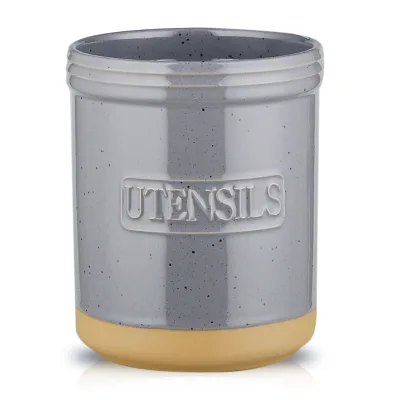
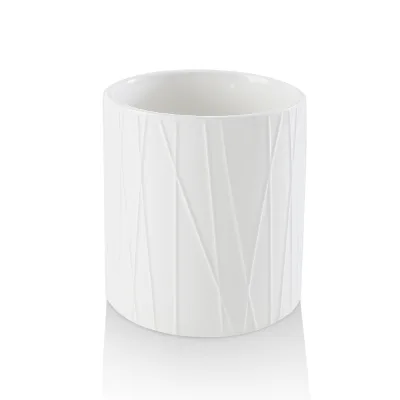
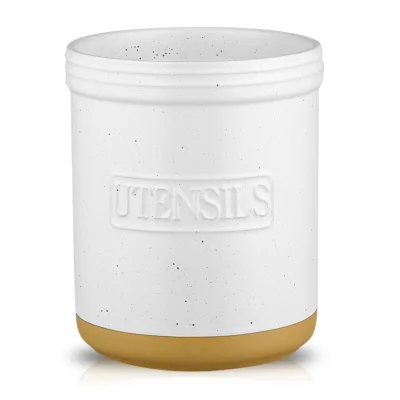
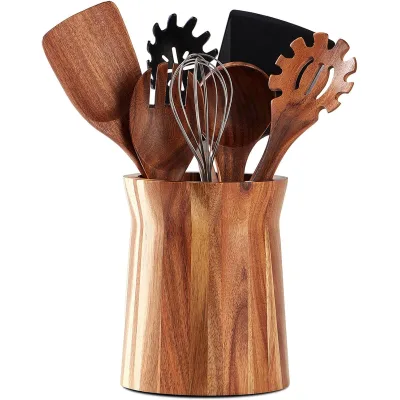
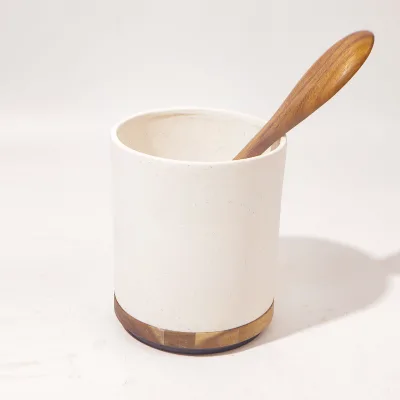
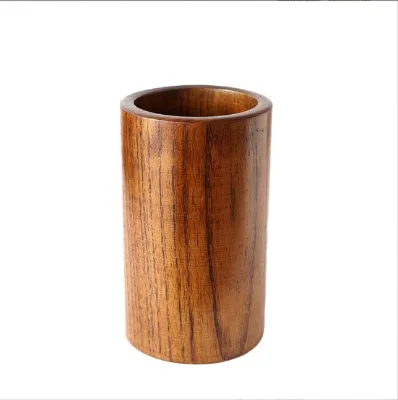

Comprehensive Sourcing Guide
Nordic Glazed Ceramic Utensil Holder Sourcing Guide
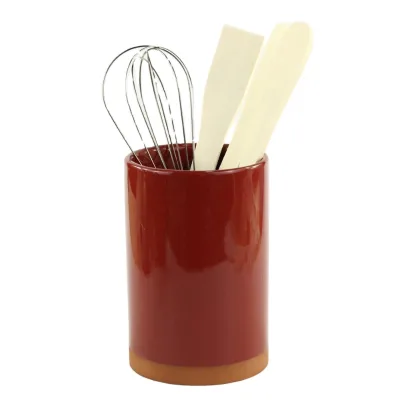
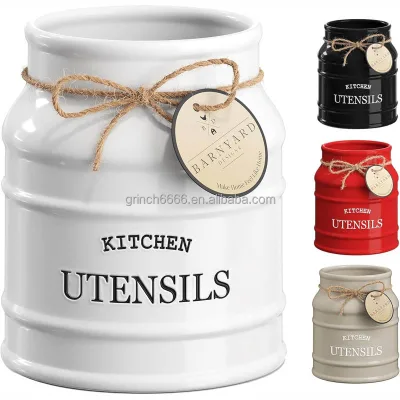
Buyers seeking Nordic glazed ceramic utensil holders must first distinguish between general terracotta storage and specific glazed ceramic finishes. The observed market data indicates products labeled as "Terracotta Utensil Holder" often feature a red color profile and are manufactured in Fujian, China, with dimensions around 13.513.516.5cm. While some listings describe the material simply as ceramic, the specific aesthetic of a Nordic glazed finish requires careful verification of the glaze composition and firing process to ensure the desired matte or glossy texture is achieved.
Procurement teams should also note that supply chains for these items vary significantly in their minimum order quantities and packaging standards. One observed supplier lists a high MOQ of 750 pieces with a single package size of 45x45x45 cm, while another category of food storage containers shows an MOQ as low as 5 pieces with much smaller packaging. This discrepancy suggests that buyers must clarify whether they are sourcing a bulk industrial item or a boutique retail product, as the logistics and unit economics will differ drastically between these two distinct supply profiles.
Product Scope and Observed Listing Signals
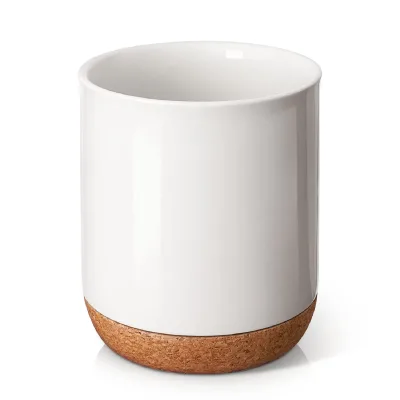
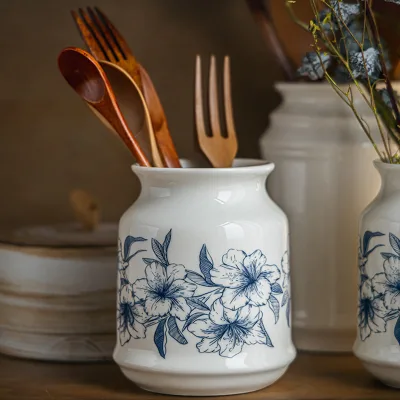
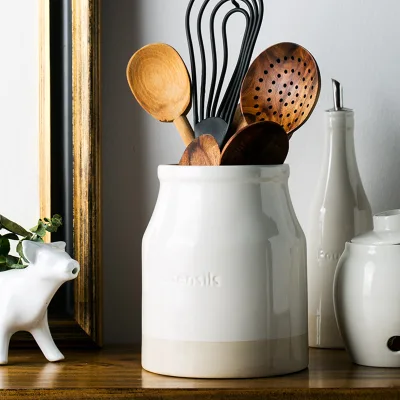
The product scope for Nordic glazed ceramic utensil holders typically centers on multifunctional kitchen storage solutions designed for standing installation on countertops. Observed listings confirm that these items are intended for use in homes, restaurants, and hotels, serving as both functional tools and decorative elements. The design often emphasizes eco-friendly attributes, with some models featuring customizable logos and colors, such as red or other bespoke options, to align with specific brand identities or interior design themes.
When evaluating listing signals, buyers must scrutinize the specific terminology used to describe the material and finish. While some data points explicitly state "Terracotta," others simply list "Ceramic," which can lead to confusion regarding the actual clay body and glaze thickness. A Nordic aesthetic usually implies a specific color palette and finish that may not be present in all "red" or "terracotta" labeled items. Therefore, verifying the exact glaze type and whether the product is stocked or made-to-order is essential before committing to a purchase order.
Technical Specifications to Verify
Dimensional accuracy and weight consistency are critical technical parameters that vary across different supplier listings. One observed specification lists a dimensional tolerance of less than ±5mm, while another category of similar storage jars specifies a tighter tolerance of less than ±1mm. Buyers must confirm which tolerance standard applies to their specific order, as this impacts the fit within kitchen cabinetry and the visual uniformity of a set. Additionally, the single gross weight can range from 15 kg to 30 kg per package, significantly affecting shipping costs and handling requirements.
Packaging dimensions and structural integrity also require strict verification to prevent damage during transit. The observed data includes single package sizes ranging from 15x15x20 cm for smaller containers to 45x45x45 cm for larger utensil holders. These variations suggest that the internal cushioning and carton strength must be tailored to the specific product weight and fragility. Buyers should request detailed packaging diagrams to ensure that the brown cartons or customized boxes provide adequate protection for the glazed ceramic surface against impact and vibration.
Compliance and Safety Documentation
Food safety compliance is a primary concern when sourcing ceramic items intended for kitchen use, particularly those labeled as storage jars or utensil holders. Although the provided data mentions "Eco-Friendly" features, it does not explicitly confirm compliance with specific international food contact standards such as FDA or EU regulations. Buyers must request current test reports verifying that the glaze and clay body do not leach harmful heavy metals like lead or cadmium into food or liquids stored within the containers.
Beyond material safety, documentation regarding the manufacturing process and origin is necessary for import clearance and brand assurance. The observed products originate from Fujian and Guangdong provinces in China, regions known for ceramic production but subject to varying local environmental regulations. Procurement teams should verify that the supplier can provide certificates of origin and any relevant environmental compliance documents, ensuring that the "Eco-Friendly" claim is backed by verifiable production practices rather than marketing terminology alone.
Cost Drivers and Commercial Terms
The commercial terms for Nordic glazed ceramic utensil holders are heavily influenced by the minimum order quantity and the customization level required. Market observations show a wide range in MOQs, from 5 pieces for standard food storage containers to 750 pieces for specific glazed terracotta models. This variance directly impacts the unit price and the overall cost structure, as higher volumes typically allow for better economies of scale in molding and glazing processes. Buyers must align their order volume with the supplier's capacity to avoid excessive per-unit costs or production delays.
Lead times and sample availability are additional cost drivers that affect the total procurement timeline. Some suppliers indicate a sample time of 7-15 days and a delivery time of 30-60 days, while others may have different schedules based on stock availability. The option for OEM and ODM services, including custom logos and colors, often extends the production lead time and may incur additional setup fees. Buyers should negotiate clear terms regarding these variables to ensure that the final landed cost and delivery schedule meet their project requirements.
Supplier Qualification and Quality Control
Supplier qualification for ceramic utensil holders requires a thorough assessment of their production capacity and quality control protocols. The observed supply ability of 500,000 pieces per month suggests that some manufacturers have significant scale, but this does not guarantee consistent quality for smaller, customized orders. Buyers should verify the supplier's ability to maintain the specific dimensional tolerances and weight tolerances, such as the observed ±5% or ±1% limits, across the entire production batch to ensure product uniformity.
Quality control checks must extend beyond the final product to include the glazing and firing stages where defects are most likely to occur. Since the products are described as having a "Multifunctional" design and "Standing Type" installation, structural integrity is paramount to prevent tipping or breakage during use. Buyers should request a pre-shipment inspection plan that specifically tests for glaze adhesion, color consistency, and dimensional accuracy, ensuring that the final delivered goods match the approved samples and technical specifications.
Long-Term Procurement Checks
Establishing a long-term partnership for Nordic glazed ceramic utensil holders requires ongoing monitoring of supply chain stability and product consistency. Buyers should regularly review the supplier's ability to meet the agreed-upon delivery times and maintain the specified packaging standards, such as the use of safe brown cartons or customized options. Consistent performance in these areas is crucial for maintaining inventory levels and avoiding stockouts, especially for retailers who rely on these items for seasonal promotions or steady sales.
Continuous improvement in product design and material sourcing is another key factor for long-term success. As market trends shift, the demand for specific Nordic aesthetics or eco-friendly materials may evolve, requiring suppliers to adapt their production lines accordingly. Buyers should engage in periodic reviews with their suppliers to discuss potential design updates, such as new color options or improved packaging solutions, ensuring that the product line remains competitive and aligned with current consumer preferences and sustainability goals.
FAQs
What is the typical MOQ for glazed terracotta utensil holders?
The standard minimum order quantity is 750 pieces for most manufacturers. Some suppliers offer lower MOQs starting at 5 pieces for sample orders or small batches. Buyers should verify specific requirements with the vendor before placing bulk orders to ensure alignment with production capabilities.
Can I customize the logo and packaging for this product?
Yes, OEM and ODM services are available for logo customization and packaging design. Suppliers typically offer brown cartons or customized boxes to meet branding needs. This flexibility allows businesses to maintain consistent branding across their kitchenware product lines while ensuring safe transit.
What materials are used for these countertop utensil holders?
These holders are primarily made from terracotta and ceramic materials. The terracotta construction provides an eco-friendly and durable option for kitchen storage. Ceramic variants offer similar functionality with potentially different aesthetic finishes, ensuring suitability for various home and restaurant decor styles.
What are the standard dimensions for these storage jars?
Standard dimensions are approximately 13.5 by 13.5 by 16.5 centimeters. Custom sizes are also available to fit specific kitchen storage requirements. Dimensional tolerances are generally kept within plus or minus five millimeters to ensure consistent product quality and proper fit for utensils.
Where are these ceramic utensil holders typically manufactured?
These products are commonly manufactured in Fujian and Guangdong provinces in China. These regions are known for their ceramic production expertise and supply chain efficiency. Buyers can expect reliable sourcing from these established manufacturing hubs with established export logistics through ports like Xiamen.
What is the estimated lead time for bulk orders?
Delivery times typically range from 30 to 60 days for bulk production. Sample orders may take 7 to 15 days to prepare and ship. These timelines depend on order volume and customization requirements, so buyers should plan procurement schedules accordingly to avoid stockouts.